Is Stainless Steel Safe For Food

Ever glance at your gleaming kitchenware and feel a silent nod of appreciation? From the sturdy pot simmering your Sunday sauce to the sleek forks twirling your pasta, stainle...
Ever glance at your gleaming kitchenware and feel a silent nod of appreciation? From the sturdy pot simmering your Sunday sauce to the sleek forks twirling your pasta, stainless steel is the unsung hero of our culinary adventures. We love it for its undeniable shine, its impressive durability, and that satisfying clink it makes when you set it on the counter. It’s the workhorse that stands up to countless meals, countless washes, and even the occasional kitchen mishap, all while maintaining its cool, metallic composure. But beyond its aesthetic appeal and robustness, there’s a deeper reason why stainless steel holds such a prime spot in our kitchens: its incredible suitability for food contact.
The primary purpose stainless steel serves in our everyday lives, especially when it comes to food, is quite profound. It acts as a
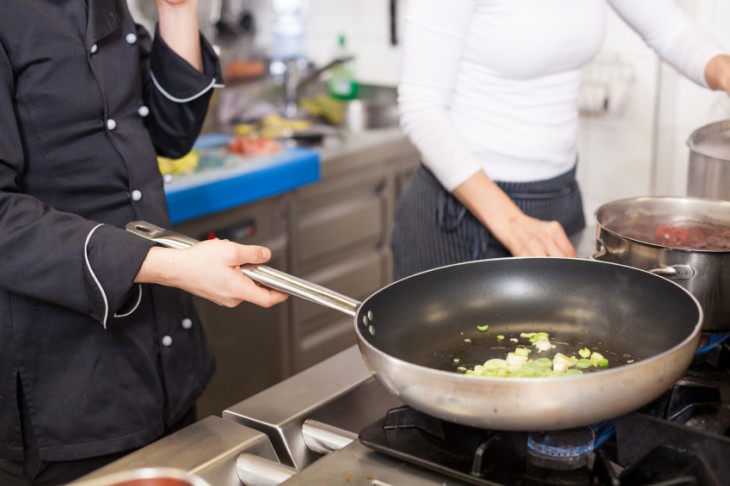
You’ll find stainless steel practically everywhere food is involved. Think about it: your elegant cutlery set, the pots and pans you cook with daily, your kitchen sink where dishes are washed, the inside of your dishwasher, and even your trusty coffee maker. Beyond the home, it’s the material of choice for professional kitchens, food processing plants, and medical instruments due to its
Must Read
So, how can you enjoy your stainless steel kitchenware even more effectively and ensure its long-term safety? First, always opt for
Finally, while stainless steel is incredibly resistant, try to avoid leaving highly acidic foods (like tomato sauce or vinegar) in your pots for extended periods, especially if the surface shows signs of pitting or heavy scratching. While