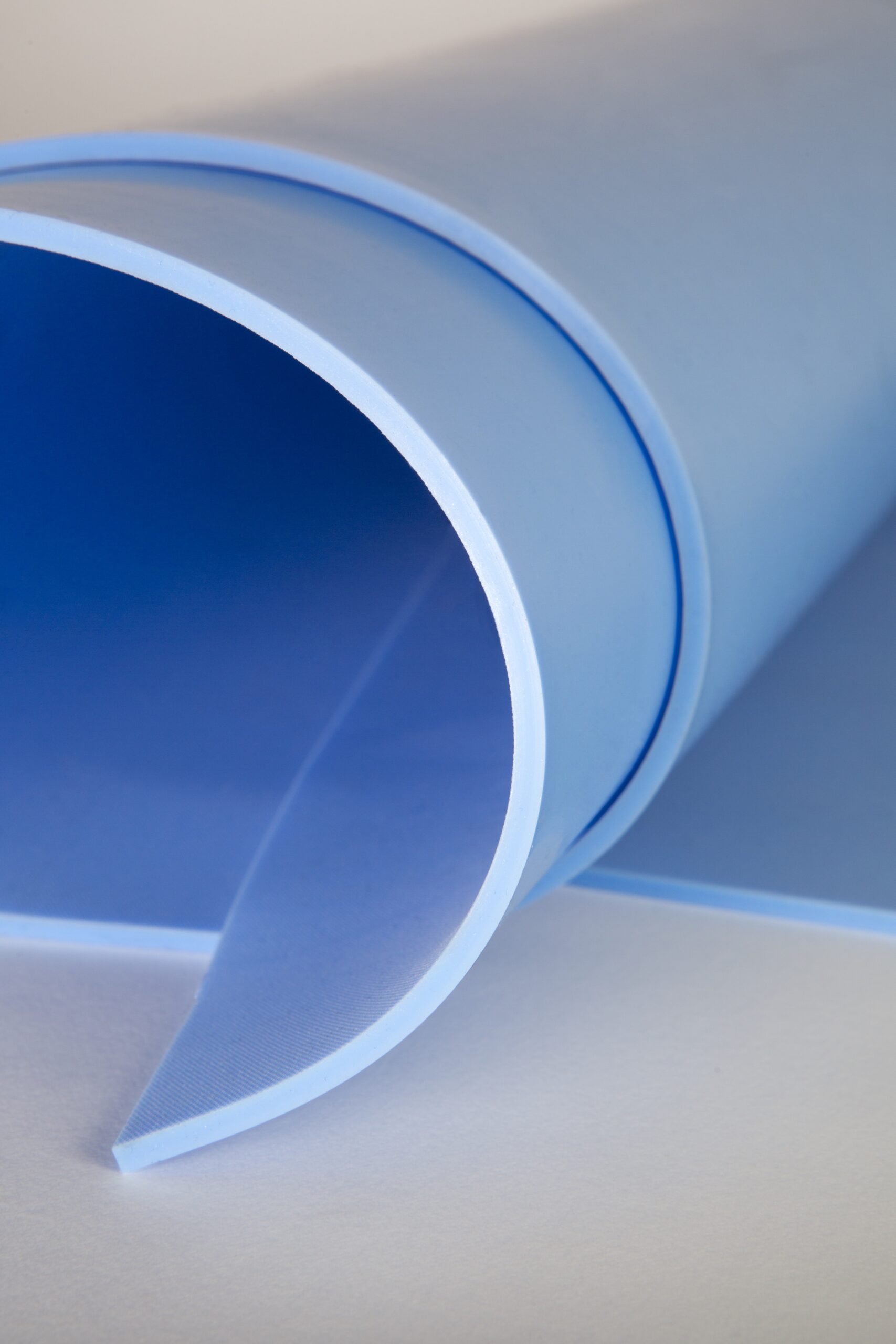
50 Shore A Durometer Silicone Rubber

Okay, let's talk silicone rubber. Specifically, the kind that clocks in at a 50 Shore A durometer. Sounds a bit technical, right? Don't worry, we'll break it down and you'll b...
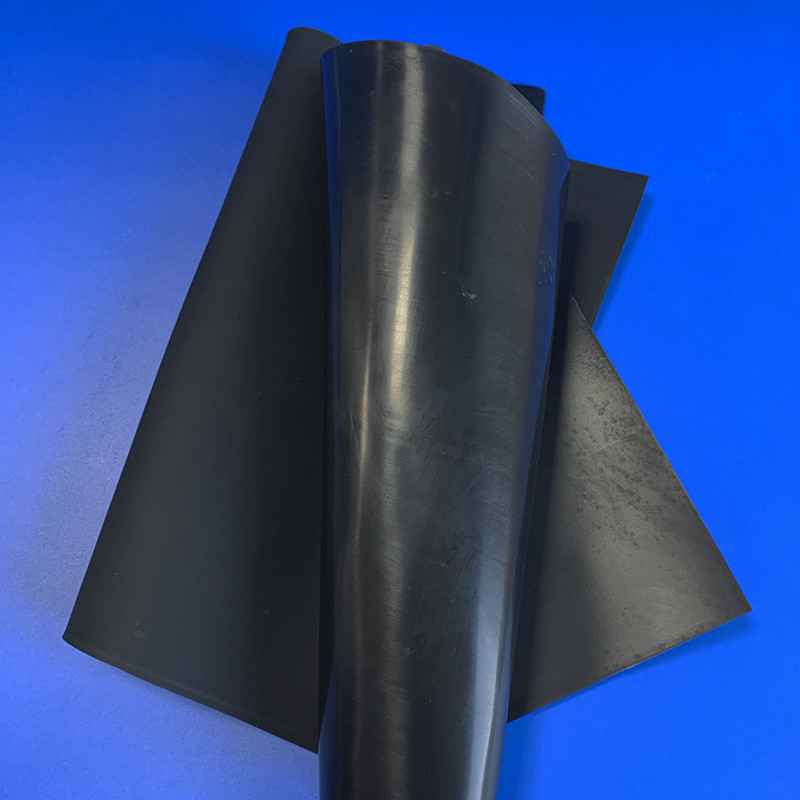
Okay, let's talk silicone rubber. Specifically, the kind that clocks in at a 50 Shore A durometer. Sounds a bit technical, right? Don't worry, we'll break it down and you'll be a silicone rubber whiz in no time. Think of this as a chill hang-out session where we just happen to geek out about materials.
So, what exactly is a "durometer?" It's just a fancy word for hardness. We're talking about how resistant something is to indentation. The Shore A scale is used for softer, more flexible materials like, you guessed it, silicone rubber. The higher the number, the harder the material. Simple as that!
50 Shore A: Not Too Hard, Not Too Soft... Just Right?
Imagine Goldilocks testing out silicone rubber instead of porridge. A 50 Shore A durometer? That's probably what she'd settle on. It's that sweet spot in terms of flexibility and durability. It’s got enough give to be comfortable, but enough backbone to not fall apart after a light squeeze.
Must Read
Think of it this way: a rubber band might be closer to a 30 Shore A – super stretchy and bendy. A car tire? Way up there, probably around 70 Shore A or higher – tough and rigid. 50 Shore A sits nicely in the middle, offering a blend of both worlds. Isn’t that neat?
But what does this actually mean in the real world?
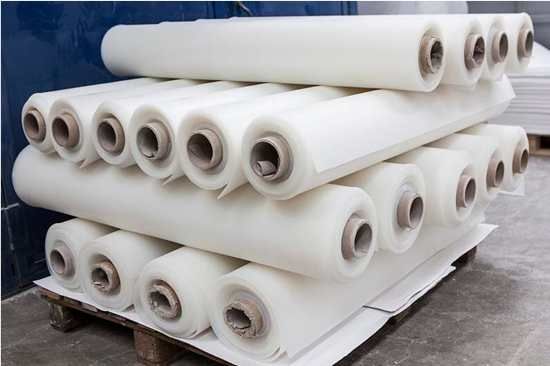 Medical Grade Solid Silicone Rubber Sheet 50 Shore A Durometer
Everyday Silicone: Where Does 50 Shore A Shine?
You're probably surrounded by 50 Shore A silicone rubber without even realizing it. Ever used a soft, squeezable bottle for your shampoo or lotion? There’s a good chance it’s made of 50 Shore A silicone. How about the grips on your toothbrush or bike handlebars? Bingo, same material ballpark!
It's also a workhorse in the manufacturing and prototyping world. Think seals and gaskets that need to conform to irregular surfaces. Or custom molds for creating intricate parts. This material provides a perfect blend of flexibility and shape retention. So you have the right material for the right job.
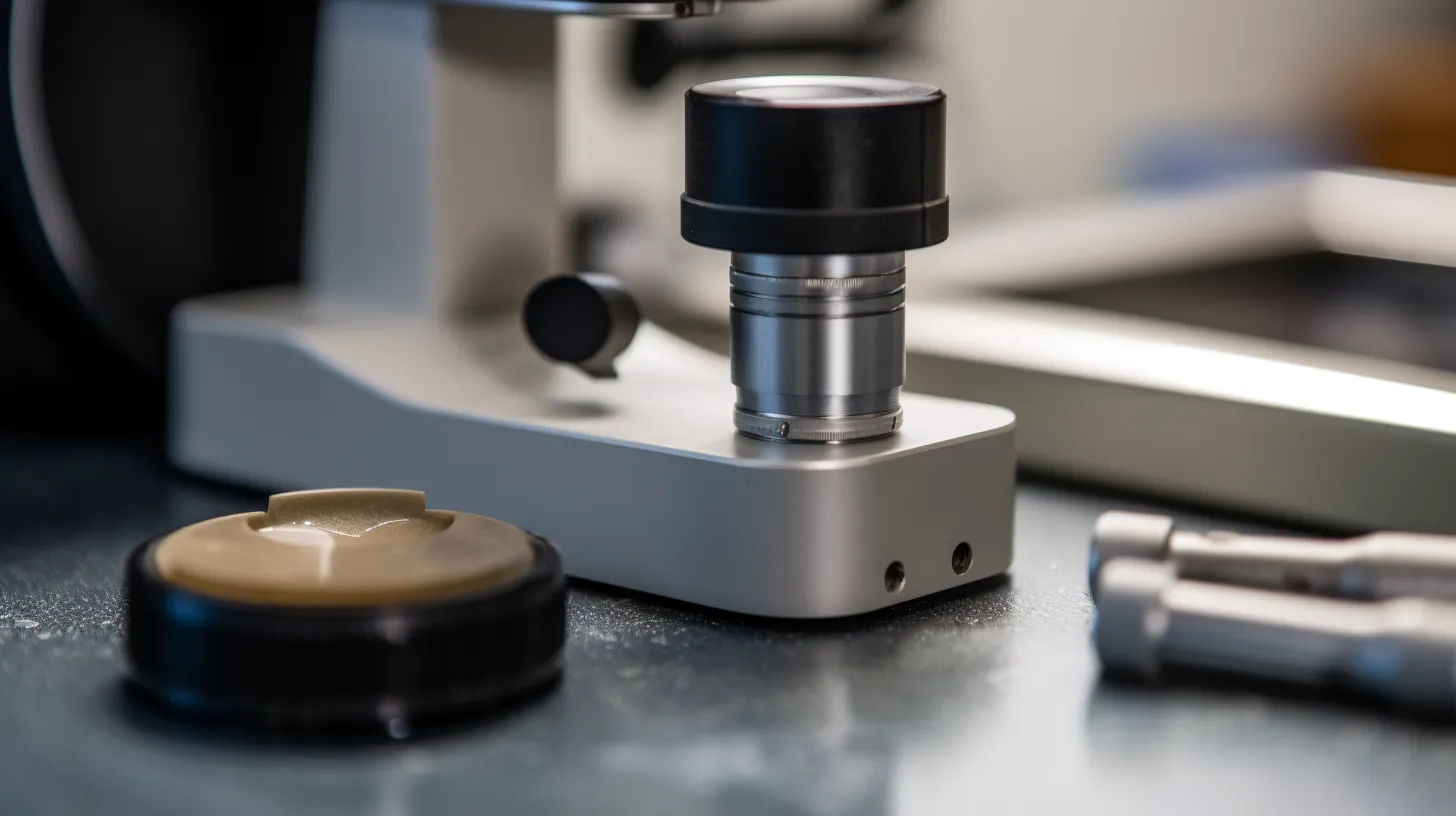 Understanding the Shore Hardness of Silicone Rubber | NEWTOP
Let’s get into some more fun examples:
- Kitchen Gadgets: Spatulas, oven mitts (the silicone parts, of course), and even some food storage containers often use 50 Shore A silicone. It's food-safe, heat-resistant, and easy to clean, making it a kitchen superstar.
- Medical Devices: Its biocompatibility makes it a popular choice for certain medical applications. Think tubing, seals for equipment, and even some prosthetic components.
- Electronics: Used for dampening vibrations, protecting sensitive components from impact, and providing a comfortable grip on devices.
Why Choose 50 Shore A? What's the Big Deal?
Okay, so we know what it is and where it's used. But why is 50 Shore A silicone rubber so popular? What makes it such a go-to material for so many applications?
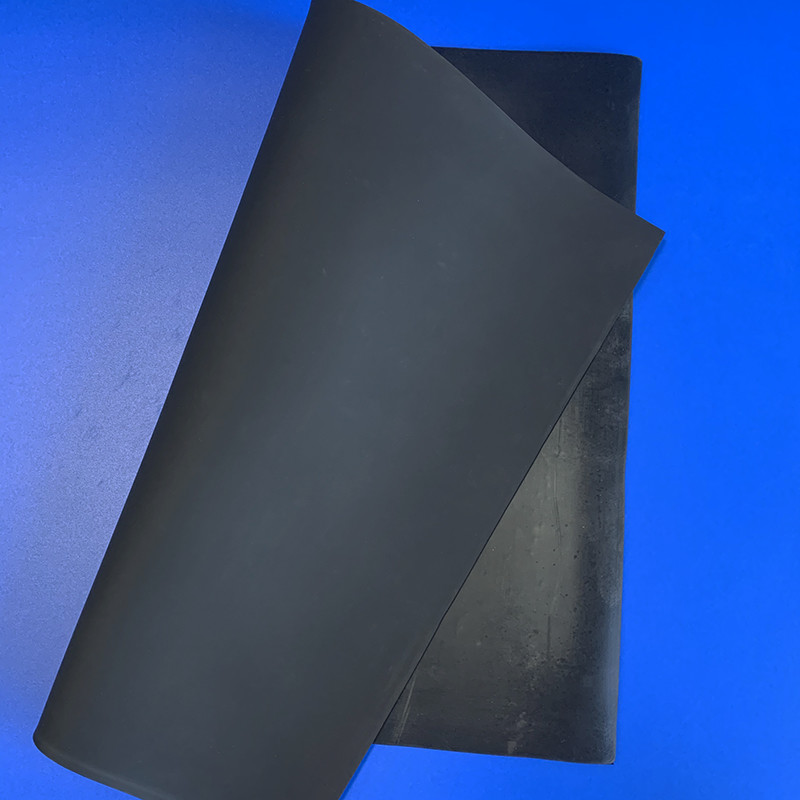 50 - 80 Shore A Conductive Silicone Rubber Sheet Cold Resistance
- Flexibility and Comfort: It's soft enough to be comfortable to the touch, making it ideal for things you hold or wear.
- Durability: It can withstand repeated use and wear and tear without cracking or breaking down easily.
- Temperature Resistance: Silicone rubber is known for its ability to handle extreme temperatures, both hot and cold.
- Chemical Resistance: It’s resistant to many chemicals, making it suitable for various industrial and household applications.
- Easy to Mold: It can be easily molded into different shapes and sizes, making it versatile for various designs.
Is 50 Shore A Right for Your Project?
That's the million-dollar question, isn't it? Choosing the right material for any project can be tricky. If you need something that’s both flexible and durable, something that can handle a bit of heat and some chemical exposure, then 50 Shore A silicone rubber is definitely worth considering. Think: "Will it be touched? Will it get squished? Does it need to last?".
Of course, it's always best to do your research and, if possible, test out a sample before committing to a specific material. Consider what you want the object to do and whether it should be soft, firm, or somewhere in between.
So, there you have it! A crash course in 50 Shore A durometer silicone rubber. Hopefully, you now have a better understanding of this versatile and often-overlooked material. Who knew something so seemingly simple could be so darn useful? Now, go forth and appreciate the wonders of silicone!